
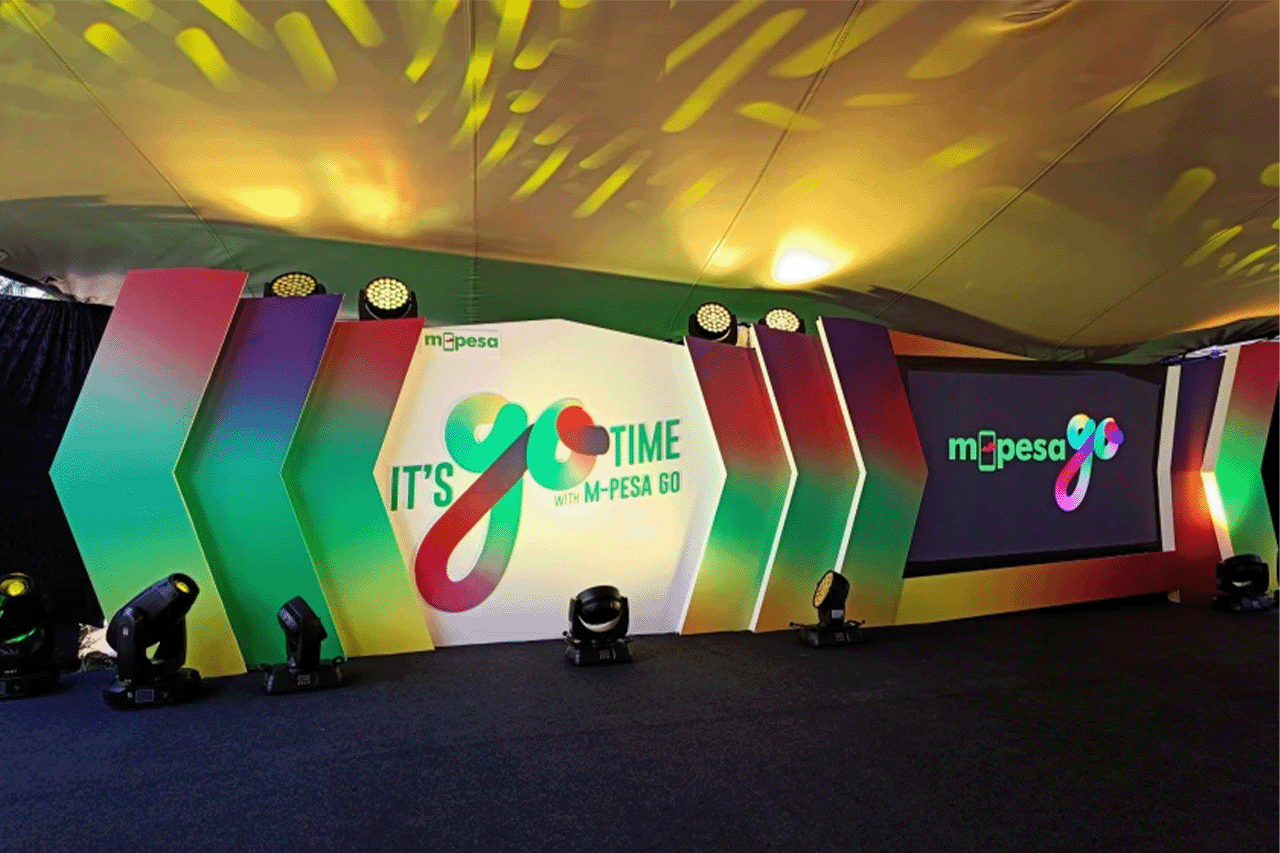
Kenya’s mobile money revolution is showing no signs of slowing down. According to the latest report from the Communications Authority of Kenya (CAK), the country had 45.36 million active mobile money subscriptions as of July 2025 — a 7.2% increase compared to the same period last year.
In a nation with an estimated population of about 55 million, these numbers show that mobile money is no longer a novelty; it’s a near-universal utility. From the bustling streets of Nairobi to rural trading centers, mobile wallets have woven themselves into the fabric of everyday life.
Agent Network Keeps Growing
The number of agents — the people behind those familiar green, red, or blue kiosks — has also climbed, reaching 416,994 nationwide. That’s a 5.5% jump year-on-year, a sign of just how critical these service points remain for deposits, withdrawals, and everyday transactions.
Even as Kenya becomes more digital, agents remain the bridge between cash and the mobile economy, especially for people in rural areas or those still earning in cash.
M-Pesa Still the Giant, But Competition Is Heating Up
Safaricom’s M-Pesa remains the dominant force, controlling over 90% of the market. Its success lies in an unmatched agent network, reliable transaction systems, and strong brand trust built over more than 15 years. For many Kenyans, “M-Pesa” is almost synonymous with “mobile money.”
But it’s no longer a one-horse race.
-
Airtel Money has been winning over customers by waiving transfer fees and steadily improving its platform’s reliability.
-
Equitel, backed by Equity Bank, offers a unique telecom-plus-banking hybrid service that appeals to small business owners who want one integrated account for calls, data, and money services.
-
Tala and Branch have carved out a niche by offering instant, collateral-free microloans via smartphone apps.
-
Cross-border platforms like Chipper Cash and PesaLink are gaining popularity for low-cost, instant transfers across East Africa — a big win for traders, freelancers, and families with relatives in neighboring countries.
The increased competition is forcing all providers to innovate faster, lower costs, and improve service.
Regulators Step In to Protect Consumers
With growth comes oversight. The Central Bank of Kenya (CBK) has been proactive in setting new limits and protections:
-
Mobile wallet limit raised from KES 300,000 to KES 500,000.
-
Daily transaction cap increased to KES 250,000, making it easier for businesses and individuals to make larger payments without multiple transactions.
CBK has also doubled down on interoperability — ensuring that a customer on one platform can send money to another without facing punitive charges. This is meant to encourage competition and give consumers more freedom to choose the service that offers the best rates and features.
Still, affordability remains a hot topic. Consumer advocacy groups continue to pressure providers to reduce transaction fees, especially on smaller payments that make up the bulk of day-to-day use.
