
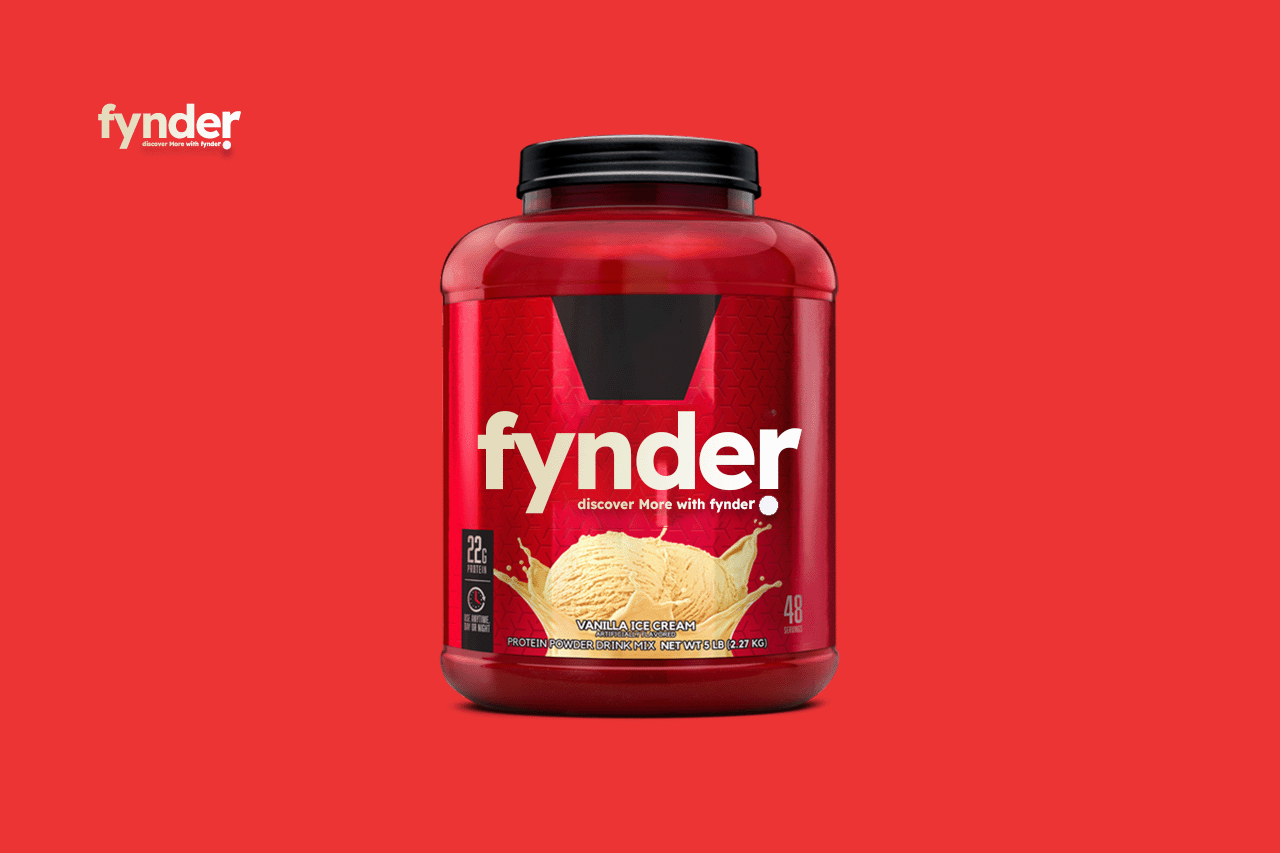
Protein shakes are more than just a fitness trend—they’re a convenient way to up your protein intake. But are they actually good for you? Let’s break down the facts with help from dietitians and health experts.
Health Benefits of Protein Shakes
1. Boosts Satiety & Supports Weight Management
Protein helps regulate appetite by increasing levels of fullness hormones like GLP‑1 and PYY. Studies show that high-protein meals—especially those with 35 g or more—can suppress hunger and reduce calorie intake later on.
2. Preserves Lean Muscle & Supports Metabolism
When used alongside strength training, protein shakes help maintain and build lean muscle while promoting fat loss—key for long-term metabolic health
3. Convenient & Practical Nutrition Boost
For those with busy schedules, recovery needs, or limited appetite, a protein shake is a quick, easy way to reap the benefits of high-quality protein—especially post-workout, when timing matters
Potential Drawbacks to Watch
1. Not a Magic Fix for Weight Loss
While protein shakes decrease appetite and support muscle retention, they’re only effective when part of an overall calorie-controlled diet. Relying on them without dietary adjustments isn’t a sustainable strategy.
2. Missing Nutrients from Whole Foods
Whole food proteins—like eggs, legumes, or meat—offer fiber, vitamins, and minerals that many shakes lack. Dietitians recommend prioritizing whole foods first (Fit, 2025).
3. Added Sugars & Fillers Can Undermine Benefits
Some shakes contain artificial flavors, excessive sweeteners, or unwanted ingredients. These can hinder digestion or contribute to sugar overload (TalkSport,2025).
4. Possible Risks & Drug Interactions
A handful of protein supplements can interfere with medications (e.g., whey protein may reduce levodopa absorption). It’s wise to consult your healthcare provider—especially if you have medical conditions
Types of Protein Shakes: Which Fit Your Goals?
1. Animal-Based: Whey & Casein
-
Whey is fast-digesting and complete with all essential amino acids. Ideal after workouts.
-
Casein digests more slowly, keeping you full longer.
Third-party certifications like NSF or Informed-Choice ensure purity and label accuracy.
2. Plant-Based: Pea, Soy, Hemp
These are excellent choices for vegans or those with allergies. Many provide all essential amino acids when properly formulated.
3. Ready-to-Drink (RTD) Shakes or Protein Water
These pre-made options are handy and portable. They offer around 10–30 g of protein and are convenient for on-the-go fueling—but be mindful of added sugars and artificial sweeteners
How to Use Protein Shakes Wisely
– Enhance Whole Foods First
Use shakes to supplement, not replace, meals. They’re healthiest when paired with a balanced diet.
– Match Intake to Your Needs
An average adult needs 0.8 g/kg of protein, but athletes or recovering individuals may benefit from 1.2–1.5 g/kg. Spread intake across meals, aiming for ~25–30 g per occasion for optimal muscle synthesis.
– Time It Right
Post-exercise (within an hour) is ideal for muscle recovery. Shakes also make great quick breakfasts or meals on days you’re short on time (Harvard,2025).
– Choose High-Quality Products
Look for minimal ingredients, low sugar, and certifications (NSF, Informed-Choice) to avoid fillers or contaminants.
Final Verdict: Are Protein Shakes Good for You?
Yes—when used intentionally and as part of a balanced diet, protein shakes can offer real benefits:
-
When helpful: Busy schedules, post-workout recovery, appetite control, supplementing gaps in protein intake.
-
Use cautiously: Avoid overreliance, check ingredients, and prioritize whole food-based nutrition.
Protein shakes serve as a convenience, not a cure-all—designed to enhance, not replace, a solid nutritional foundation.
