
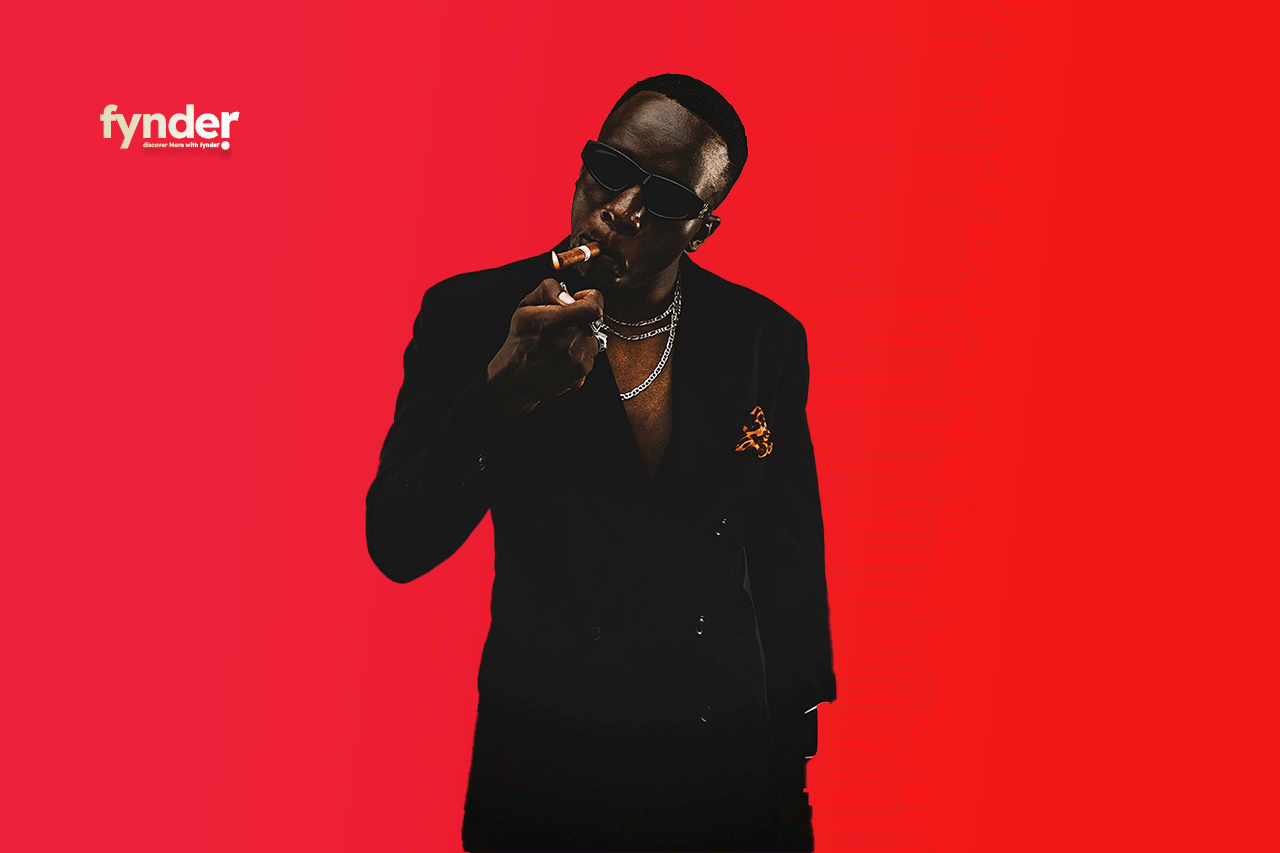
When Kenyan artists—like in Scars’ trending verse—drop references to Ozempic, it inevitably stirs curiosity. Is it just a flex, or does it hold real meaning? Let’s break down what Ozempic actually is, how it’s making waves in Kenya, and why its use (and misuse) matters.
1. Ozempic: More Than a Name in Lyrics
Ozempic is the brand name for semaglutide, a medication developed to treat type 2 diabetes. It’s part of a class called GLP-1 receptor agonists, which help regulate blood sugar by mimicking the body’s appetite-controlling hormone.
Commonly used off-label, Ozempic helps with weight loss—by slowing digestion and reducing hunger, users often drop weight effectively when paired with proper diet and exercise.
2. Ozempic in Kenya: Rising Interest, Limited Regulation
In Kenya, Ozempic and other semaglutide-based treatments are gaining popularity—not just for its medical purpose but increasingly for aesthetic reasons. Yet, the Pharmacy and Poisons Board (PPB) has not authorized Ozempic pens for sale. This raises red flags about legality and safety.
Still, doctors like Dr. Ian Justus in Nairobi confirm that the drug is available—only with a prescription and through regulated health institutions(Citizen Digital,2025).
3. The Appeal: Weight Loss and Status
Ozempic is now part of Kenya’s fast-emerging trend for medically-assisted weight loss. Clinics like Nords Weight Loss Clinic offer comprehensive packages—weekly injections alongside lifestyle coaching—for around KSh 75,000 per month.
The draw is clear: rapid results, convenience, and a way to achieve the “Instagram fit” look. Yet, this lifestyle choice is neither cheap nor widely accessible.
4. Dangers Lurking in the Market
Even more concerning: fake Ozempic pens have flooded the market. Disguised as legitimate, these counterfeit products pose serious health risks.
Kenyan health officials have issued warnings—cautioning consumers that unregulated products could contain harmful substances or wrong dosages.
5. What Kenyans Should Know
| Issue | What to Know |
|---|---|
| Ozempic’s Role | Approved for type 2 diabetes, commonly used off-label for weight loss. |
| Prescription Only | Should only be accessed via medical professionals. |
| Cost Factor | Expensive and usually available only through clinics. |
| Legal Concerns | Not registered for general distribution—unauthorized sales are illegal. |
| Health Risks | Counterfeit drugs are dangerous—only use verifiable sources. |
6. Style vs. Health: The Bigger Picture
Artists like Scars using “Ozempic” as shorthand for transformation or status reflect broader societal shifts. But glamorizing a prescription drug—especially one still entangled in legal and safety issues—raises red flags.
We need more public health awareness: emphasizing proper usage, medical oversight, and the potential physical and financial toll of misusing such medications.
Final Notes
Ozempic is not just another lyric-worthy name—it’s a powerful diabetic medication with real effects and real risks. In Kenya, its rise in popularity comes alongside concerns over safety, legality, and the pressure of beauty standards.
If you’re curious about it—or considering it—talk to a registered healthcare provider first. Keep the references in rap, but your health decisions grounded in facts.
