
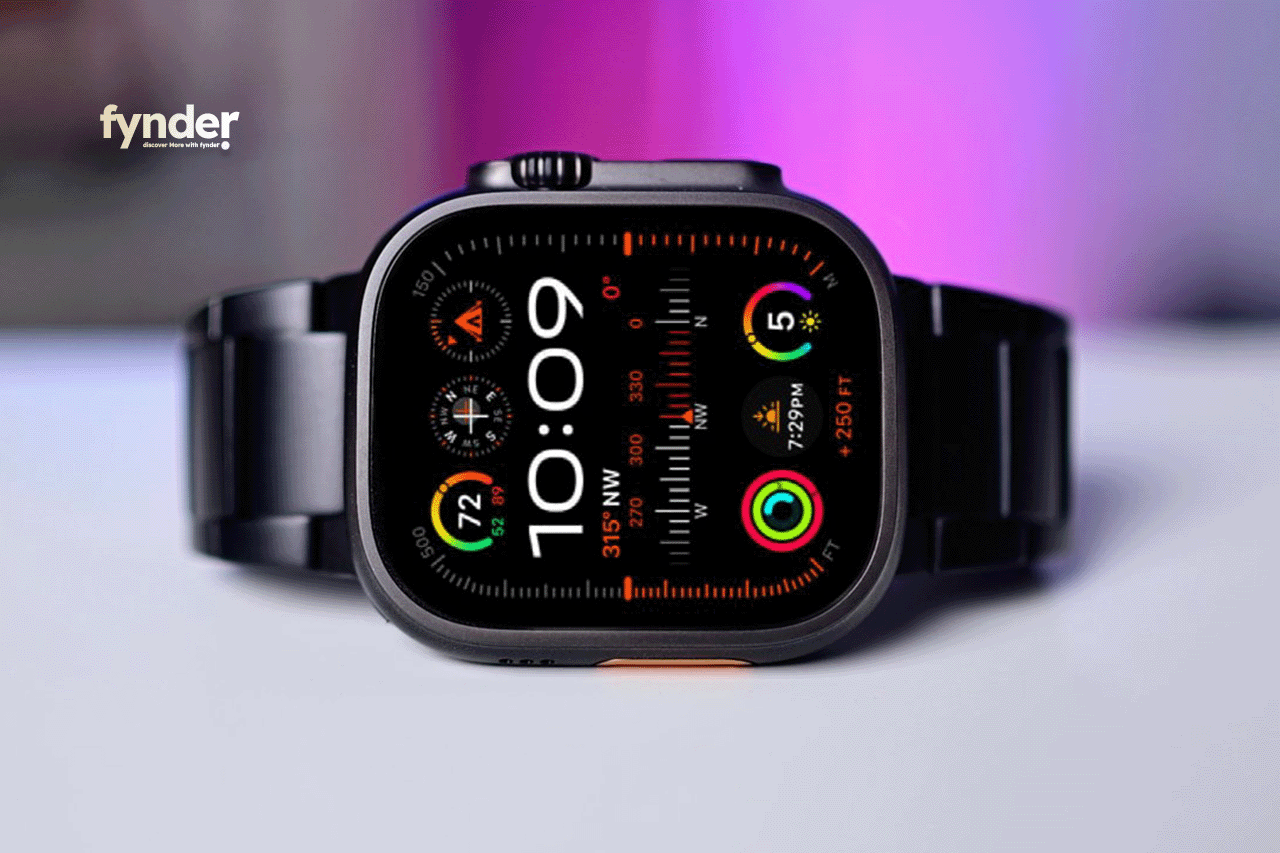
After being sidelined for over a year due to legal challenges, Apple’s blood oxygen monitoring feature is making a comeback—albeit with a clever redesign that keeps it U.S.-compliant.
What’s Changed and How It Works
Apple has reinstated the blood oxygen tracking feature on the Apple Watch Series 9, Series 10, and Ultra 2 via a fresh software update. However, there’s a twist: instead of performing calculations on the watch itself, the device now sends raw sensor data to the paired iPhone, which handles the measurement. Users can view the results in the Respiratory section of the iPhone’s Health app(Apple,2025).
To get this redesigned feature, users must update their devices:
-
iPhone: iOS 18.6.1
-
Apple Watch: watchOS 11.6.1
This workaround addresses the long-running patent spat
Apple and medtech company Masimo have been having a legal tussle for a while where the latter claiming Apple’s original implementation infringed on its pulse oximetry patents. An earlier ruling led to a U.S. import ban that forced Apple to disable the feature on new models sold in the U.S.
Which Devices Are Affected—and Which Aren’t?
The update applies only to U.S.-sold models made after January 17, 2024, with serial numbers ending in LW/A. Devices sold before that date—or those purchased outside the U.S.—retained the original, on-watch functionality.(The Verg2025)
In addition to loving beauty and taking care of myself, I also love opening people minds to other paths of self-care, and good marketing and I can honestly say that I use and personally love this product but I’m not sure for which reason.
Why This Is a Big Win for Apple
-
Strategic workaround: Apple has found a way to reintroduce a popular health feature without violating trade regulations.
-
Health utility restored: Blood oxygen readings became a key selling point during COVID-19—useful for athletes, travelers at altitude, and anyone monitoring respiratory health.
-
Legal victory: A recent U.S. Customs ruling confirms the redesigned method is compliant, while Apple continues to appeal the original ITC decision.
What Users Are Saying
In reaction threads like Reddit’s r/AppleWatch, users applaud the redesign:
“They are avoiding the patent by processing the sensor data on your phone rather than on the watch itself, clever.”
Many wonder how measurements will work when the Apple Watch isn’t paired with the iPhone:
“I often run without my phone… curious if the watch will cache the info until it pairs.”
Apple has not clarified whether real-time readings (taken directly on the watch) remain supported under the new system.
Takeaway
If you own a Series 9, Series 10, or Ultra 2 sold in the U.S. after early 2024, you can reclaim the Blood Oxygen feature—just update your devices to iOS 18.6.1 and watchOS 11.6.1. It’s a restored capability with a clever twist, keeping crucial health tracking intact while navigating legal hurdles.
Let me know if you’d like help walking through the update process or comparing how this works against other smartwatches on the market!
