
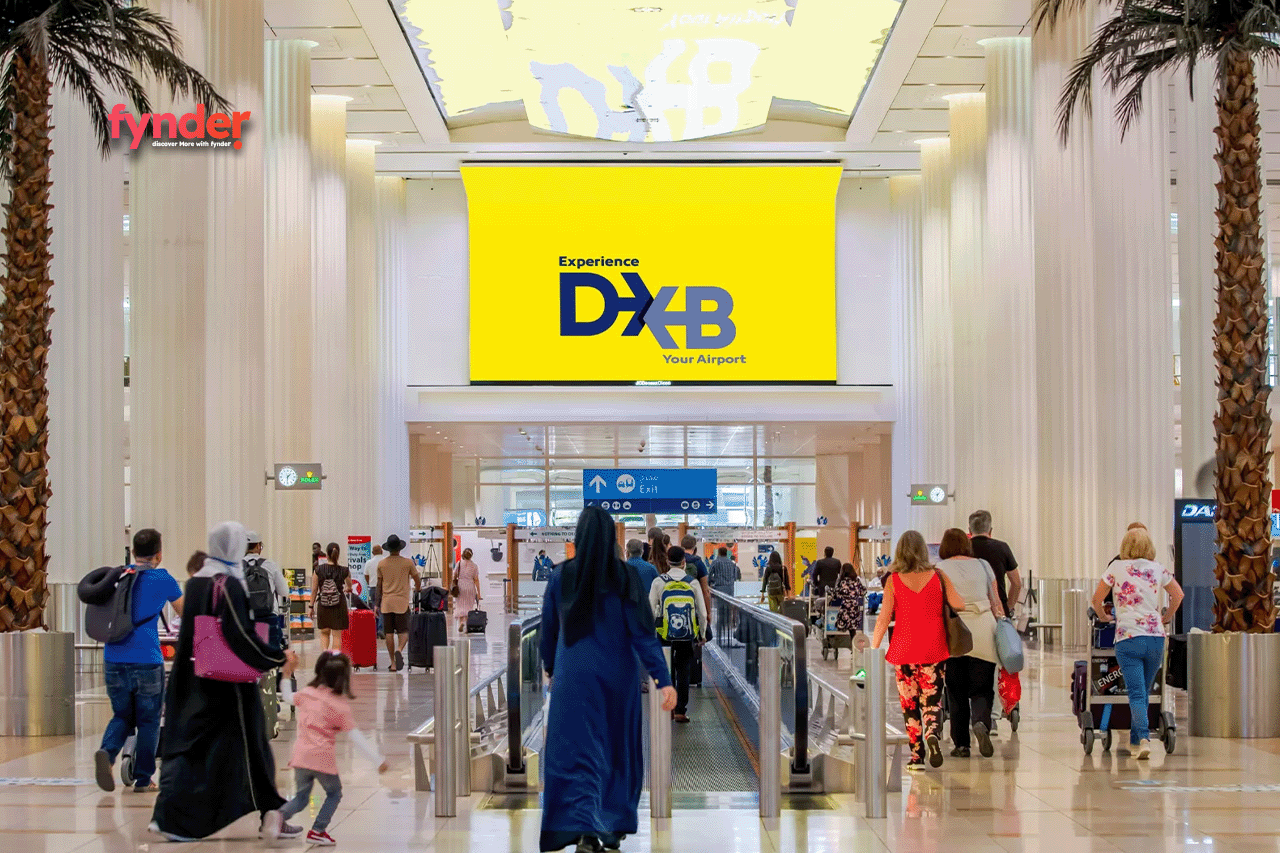
A Tale of Two Titans
Dubai International Airport (DXB) continues to reign supreme as the world’s busiest for international passenger traffic, handling over 92 million travelers in 2024—solidifying its lead in the Middle East and ranking second globally by passenger numbers. Meanwhile, Istanbul Airport (IST) is no underdog: it soared to become the world’s best‑connected airport, offering 309 nonstop routes to 315 destinations and processing nearly 90 million passengers annually (Morelli,2025).
Competition Fuels Excellence
At both airports, fierce competition has fostered continual advancement:
-
Istanbul Airport’s rapid ascension—from just 14 million passengers in 2005 to a global mega-hub by 2024—has been powered by Turkish Airlines’ aggressive route expansion and cutting-edge infrastructure (Morelli,2025).
-
Dubai International’s dominance remains robust, anchored by Emirates and flydubai, supported by massive infrastructure like Terminal 3—the world’s largest airport terminal—devoted initially to the Airbus A380 and built for scale and efficiency.
Innovation Through Cooperation
Racing ahead doesn’t mean going it alone. Both airports show how strategic partnerships and technological investments fuel continued success:
-
Istanbul Airport’s landmark innovation: In April 2025, it became the first in Europe—and among only four globally—to launch Triple Independent Runway Operations (TRO), enabling simultaneous take-offs from three runways, boosting efficiency and capacity (Morelli,2025).
-
While less highlighted in specific cooperative projects, Dubai continues to invest in service excellence and infrastructure expansions, with operators like dnata offering global ground-handling and airport services that bolster Dubai’s logistical strength.
4. Expanding Ambitions, Shared Momentum
Both airports are executing bold expansion plans that underpin their regional dominance:
| Airport | Expansion Highlights |
|---|---|
| Istanbul (IST) | Guiding toward 200 million passengers capacity by 2028 through phased expansions, adding runways and enhancing transit experience (Leonard, 2024). |
| Dubai (DXB) | Continuing expansions in terminals and tech (e.g. facial recognition systems), while developing Al Maktoum International to eventually serve 160–260 million passengers annually, potentially surpassing DXB(roux, 2025). |
5. Shared Lessons on the Global Stage
While competition remains fierce, both hubs reflect a blend of ambition and cooperation:
-
Innovation through healthy rivalry—each airport pushes the other to expand capacity, adopt new tech, and elevate service standards.
-
Geopolitical advantage, with Istanbul bridging Europe and Asia, and Dubai serving as a vital Middle Eastern crossroads, both leveraging their location to attract global transit traffic (roux, 2025).
-
Forward-thinking operations, from TRO in Istanbul to Emirates-led customer experiences in Dubai, demonstrate how long-term strategic vision pays off.
Final Take: Twin Engines of Skyward Ambition
In the dynamic world of global air transport, Istanbul Airport and Dubai International Airport stand as testaments to how competition drives innovation, and how cooperation—via infrastructure, partnerships, and tech investments—amplifies capacity and excellence.
As they navigate future expansions and global shifts, these hubs will continue to shape our skies, proving that the sky is not the limit—it’s just the beginning.
